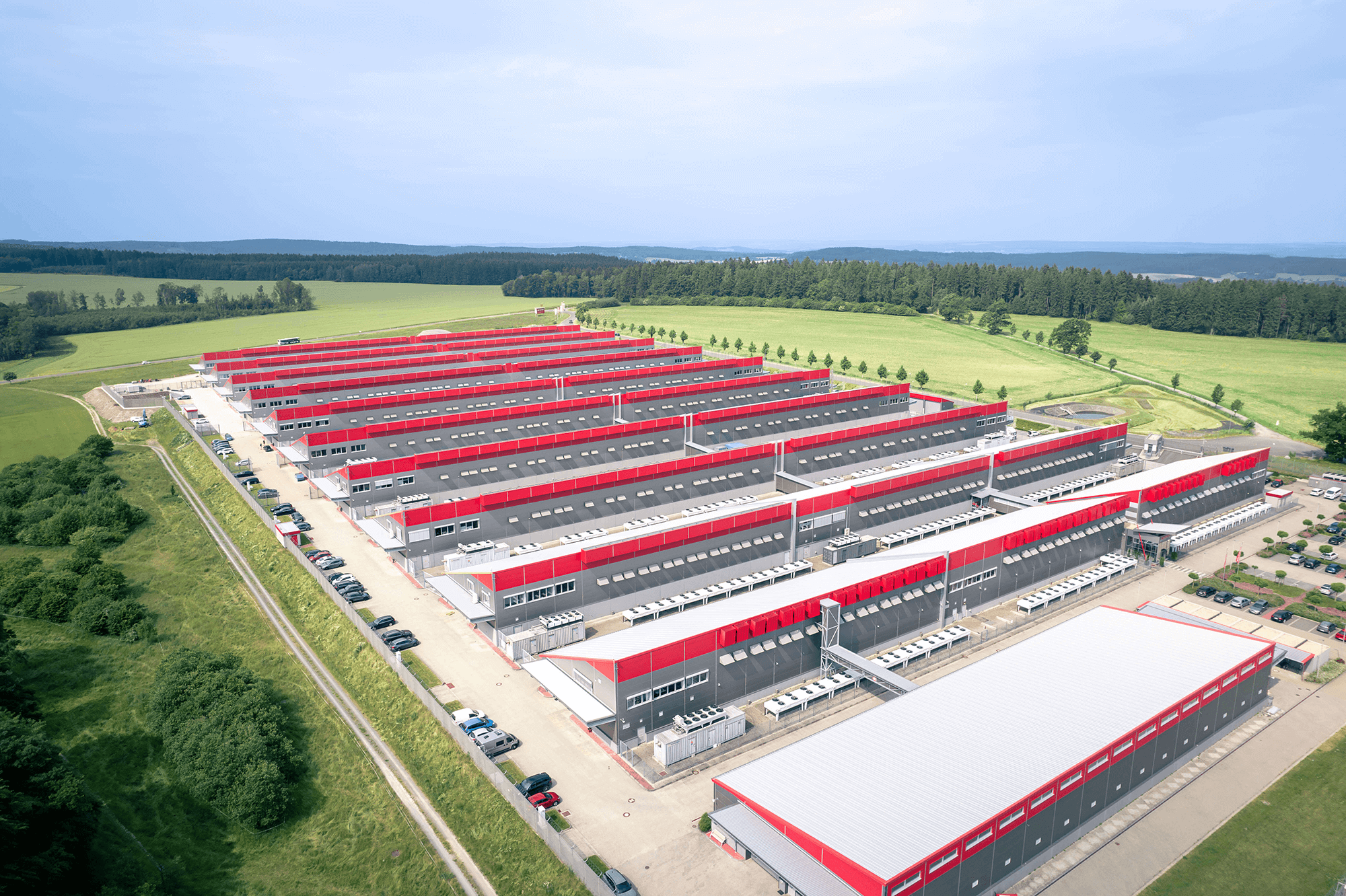
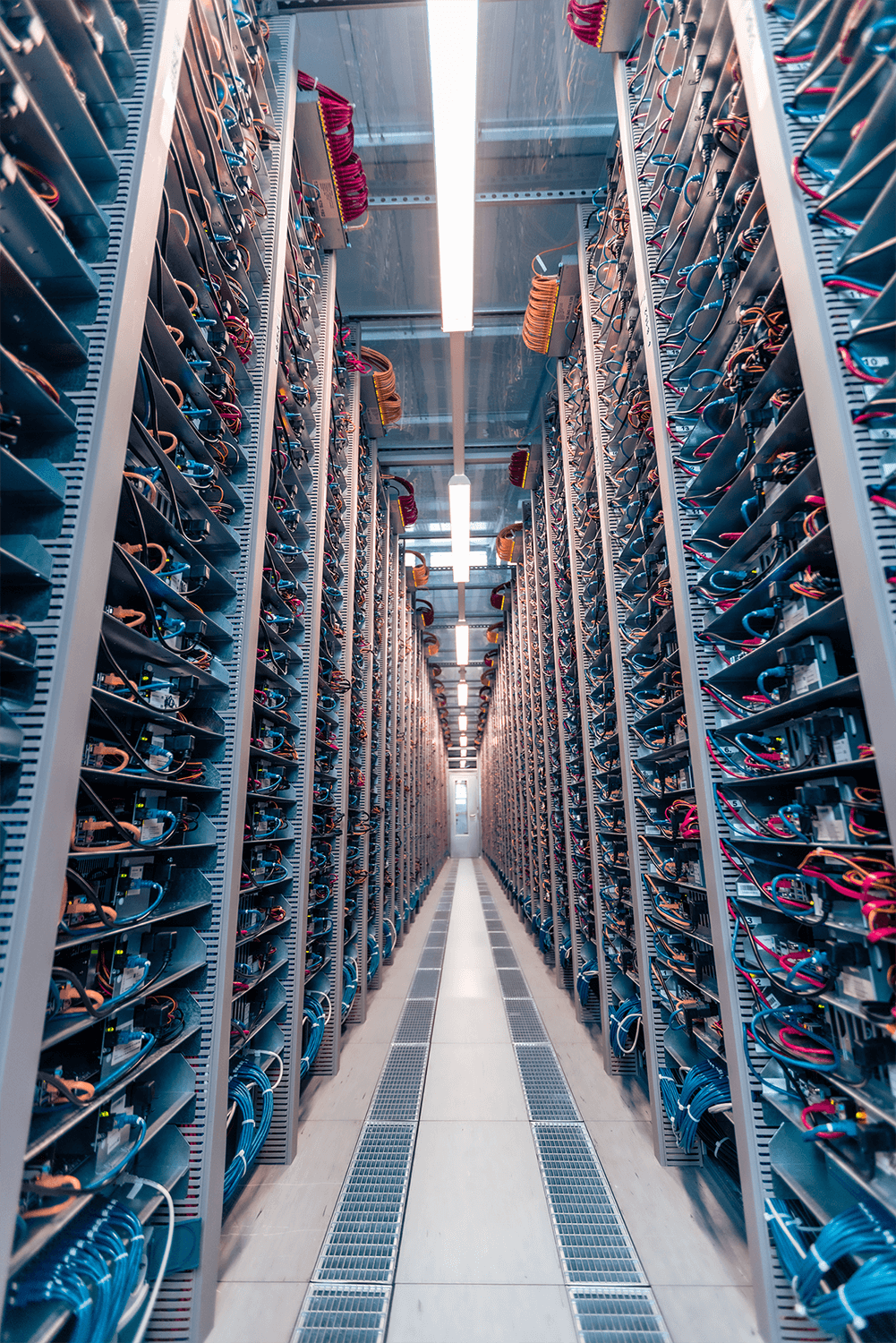
After extensive testing, German cloud provider and data center operator Hetzner is relying on Nokia Deepfield Defender to strengthen DDoS protection across its entire European data center infrastructure. The solution uses AI-driven detection and multi-layer mitigation to quickly and accurately identify and neutralize DDoS threats. It offers the fastest detection based on the IETF standard format of IPFIX IE315 uncached traffic samples. By embedding security directly into the network fabric, Hetzner can block malicious traffic at the peering edge before it reaches customer workloads.
Nokia Deepfield Defender provides real-time insights into network traffic patterns and DDoS attack characteristics. The solution correlates telemetry data with Nokia’s Deepfield Secure Genome Threat Intelligence Feed, which tracks the security context of more than five billion IP addresses worldwide. This enables Hetzner to detect a broader range of attacks and obtain more detailed information than with traditional threshold-based systems.
The deployment implements edge-based mitigation on Hetzner’s Juniper routers, which filters the majority of DDoS attack traffic before it enters the network. In the event of complex application-layer attacks, traffic can be redirected to Nokia’s 7750 Defender Mitigation System, where it is accurately cleaned with industry-leading capacity. This multi-layer approach ensures that legitimate customer traffic flows without interruption and that Hetzner’s high service quality standards are maintained.
“It was crucial for us to find a solution that reliably detects attacks and stops them early in the network without affecting our customers’ legitimate traffic,” says Martin Fritzsche, Head of Network at Hetzner. “With Nokia Deepfield Defender, we can automatically and accurately defend against DDoS attacks while maintaining full control over traffic in our own infrastructure.”
“Cyber attacks are getting more advanced which means the tools we use to fight it need to as well. Deepfield Defender’s AI-powered analytics, comprehensive network telemetry and global threat intelligence allows Hetzner to stop attacks autonomously at the network edge, as well as analyzing and purging more complex threats,” said Matthieu Bourguignon, Vice President for Network Infrastructure Europe, Nokia. “Hetzner’s customers will be reassured that with this security investment their data will be even more protected and their services assured.”
Nokia Deepfield Defender works with zero-touch automation, eliminating the need to configure extensive threshold lists or manually create traffic baselines. The machine learning models continuously adapt to network conditions and new attack vectors. Hetzner benefits from the flexibility of multiple vendors, as the system supports edge mitigation across router platforms from different vendors via standard protocols such as BGP Flowspec and NetConf. This architecture positions Hetzner’s infrastructure for continuous growth and evolving security requirements.
The deployment builds on the existing partnership between Hetzner and Nokia, under which Hetzner recently upgraded its data centers and core network infrastructure with Nokia 7750 SR-1x routing technology. By performing DDoS mitigation within its own network, Hetzner retains data sovereignty and supports compliance with European data protection requirements in line with ISO 27001 certification.
As artificial intelligence workloads drive unprecedented demand for data center capacity, robust network security is becoming an essential infrastructure for the AI era. With Nokia’s AI-powered Deepfield Defender, Hetzner can protect GPU servers, high-performance computing clusters, and cloud resources that power AI applications across Europe. By deploying intelligent, automated DDoS protection, both Hetzner and Nokia are demonstrating their commitment to building a stable and secure digital infrastructure that meets the demands of the AI supercycle.
About Nokia:
Nokia is a global leader in connectivity for the AI era. With expertise across fixed, mobile, and transport networks, we’re advancing connectivity to secure a brighter world.